

PCOS: Symptoms, Diagnosis & Modern Treatment Options
Polycystic Ovary Syndrome (PCOS) is a common hormonal condition that affects overall health and well-being. It often goes undiagnosed due to varied symptoms, but early identification and proper management can significantly improve long-term health.
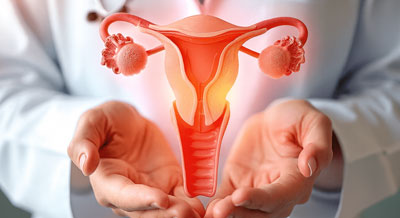
What is PCOS?
PCOS is a condition caused by hormonal imbalance, leading to irregular ovulation and metabolic changes. It can affect menstrual cycles, skin health, weight, and overall hormonal balance.
Common Symptoms of PCOS
Symptoms may vary from person to person and can include:
- Irregular or missed menstrual cycles
- Weight gain or difficulty losing weight
- Acne or oily skin
- Excess facial or body hair
- Hair thinning or scalp hair loss
- Fatigue and mood changes
How is PCOS Diagnosed?
Diagnosis is based on clinical evaluation and diagnostic tests, which may include:
- Detailed medical and menstrual history
- Hormonal blood tests
- Pelvic ultrasound examination
- Assessment of metabolic health
Modern Treatment Options
PCOS management focuses on symptom control and long-term health improvement:
- Lifestyle management: Balanced diet, regular exercise, and weight control
- Medical treatment: Hormonal regulation and symptom-specific medications
- Skin & hair care: Targeted therapies for acne and hair concerns
- Long-term monitoring: Regular follow-ups for metabolic and hormonal health
When to Consult a Specialist
You should seek medical advice if you experience:
- Irregular or absent periods
- Persistent hormonal symptoms
- Unexplained weight changes
- Concerns affecting daily life or well-being
With timely diagnosis and personalized care, PCOS can be effectively managed, helping improve quality of life and long-term health outcomes.